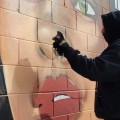
Urban development and graffiti culture are often discussed separately, yet they share a complex and frequently overlooked relationship. As cities grow, neighborhoods evolve, and new construction projects reshape urban environments, graffiti culture often changes alongside them. While graffiti is commonly viewed through the lens of public art, self-expression, or property concerns, it can also serve as an indicator of broader social and physical transformations occurring within a city. The interaction between development and graffiti culture reveals how people respond to changing spaces, how communities express identity, and how urban landscapes continuously evolve over time.
Cities are dynamic environments where physical spaces constantly change. New residential buildings, commercial developments, transportation projects, and public infrastructure initiatives can alter the appearance and function of entire neighborhoods. These transformations create new surfaces, gathering places, and visual environments that influence how graffiti artists engage with the urban landscape. In some cases, redevelopment removes long-standing graffiti locations, while in others it creates entirely new opportunities for artistic expression.
Graffiti as a Reflection of Neighborhood Change
Graffiti often emerges in areas undergoing transition. Vacant buildings, industrial corridors, construction zones, and underutilized public spaces frequently become locations where artists leave visual marks that reflect local culture and community identity. As development projects move into these areas, the existing graffiti may disappear, creating a visible record of changing priorities within the neighborhood.
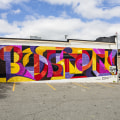
For some communities, graffiti serves as an informal archive of local history. Murals, tags, and street art can reflect cultural movements, neighborhood stories, and community voices that may not be represented through traditional channels. When redevelopment occurs, these visual elements are often removed, sparking discussions about preservation, artistic value, and the future identity of the area.
At the same time, modern development projects increasingly recognize the appeal of public art. Some developers collaborate with artists to incorporate murals and commissioned street art into new projects, blending elements of graffiti culture with contemporary urban design. This shift illustrates how graffiti's role within cities continues to evolve alongside changing attitudes toward public space and artistic expression.
Economic Development and Cultural Identity
Urban development is frequently associated with economic growth, increased investment, and rising property values. While these changes can bring benefits such as improved infrastructure and expanded opportunities, they can also alter the cultural character of neighborhoods. Graffiti culture often responds to these shifts by reflecting the experiences and perspectives of residents affected by change.
As populations move and neighborhoods evolve, visual culture frequently changes as well. Longtime residents may use art to preserve local identity, while newcomers may introduce different creative influences. This ongoing exchange contributes to the unique visual character that distinguishes one urban area from another.
Population movement plays a significant role in this process. Companies such as Mountain Movers help facilitate relocations that contribute to demographic shifts within growing cities. As new residents arrive and communities evolve, changing social dynamics often influence both development patterns and cultural expression, including the forms of street art that appear throughout urban environments.
Public Space, Policy, and Community Perspectives
The relationship between development and graffiti culture also involves public policy and community engagement. Local governments, property owners, artists, and residents often hold differing views regarding graffiti's role in public spaces. Some see it primarily as a maintenance concern, while others view it as an important form of artistic and cultural expression.
As urban development continues, communities increasingly explore ways to balance these perspectives. Designated mural programs, public art initiatives, and community art projects have become common strategies for encouraging creative expression while supporting broader development goals. These efforts demonstrate that graffiti culture and urban development do not necessarily exist in opposition; in many cases, they can coexist and even complement one another.
An Evolving Urban Conversation
The relationship between urban development and graffiti culture is more nuanced than it may initially appear. Both are responses to changing environments, and both influence how people experience and interpret city spaces. As neighborhoods continue to evolve, graffiti remains a visible expression of community identity, creativity, and social change. Understanding this connection provides valuable insight into the ways cities grow, adapt, and tell their stories through both architecture and art.